WHAT IS FLOCK ?
 Flock can be made from natural or synthetic materials, such as cotton, rayon, nylon, and polyester.
There are two types of flocking; grinding and cutting.
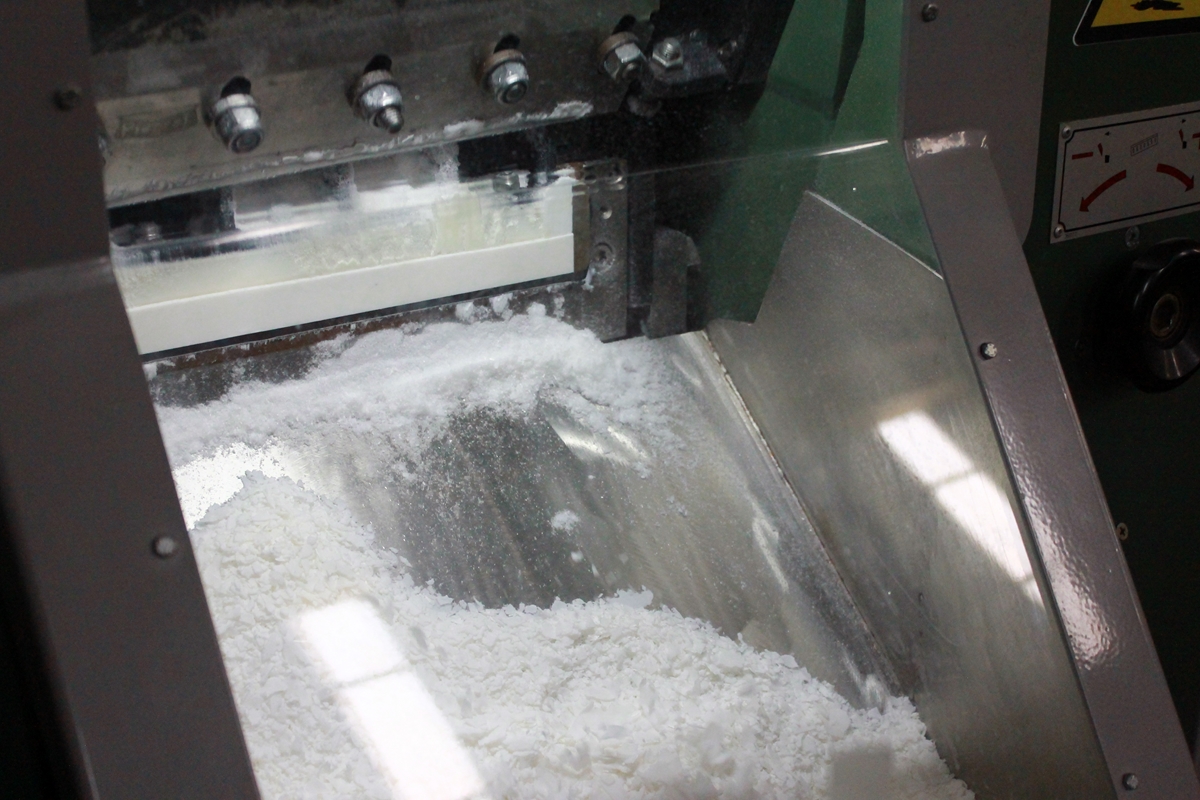
Milling flock is produced from cotton or synthetic textile waste materials. Due to the production process, milling flock is not specified in a standard length.
Shear flock is produced only from first-grade fine synthetic and cellulosic flock tows. Fixed lengths are available for shear flock production. Lengths are applied in 0.3-5.0 mm and 1.7-22 dtx diameters.
The fineness of the flock, the length of the threads, and the thickness of the adhesive surface determine the softness of the flock.
Working with very thin or short flocking is difficult.
Flocking cotton has advantages such as low cost and very softness, but it has the lowest abrasion and wear resistance.
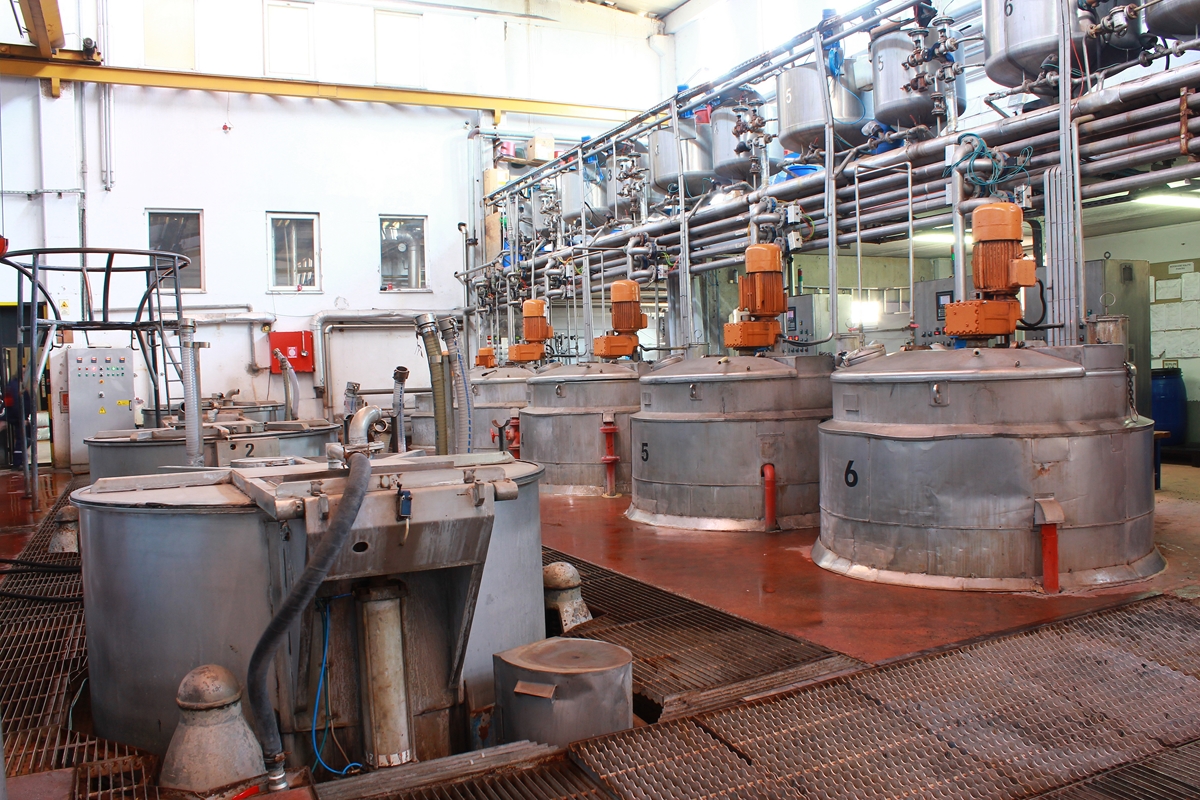
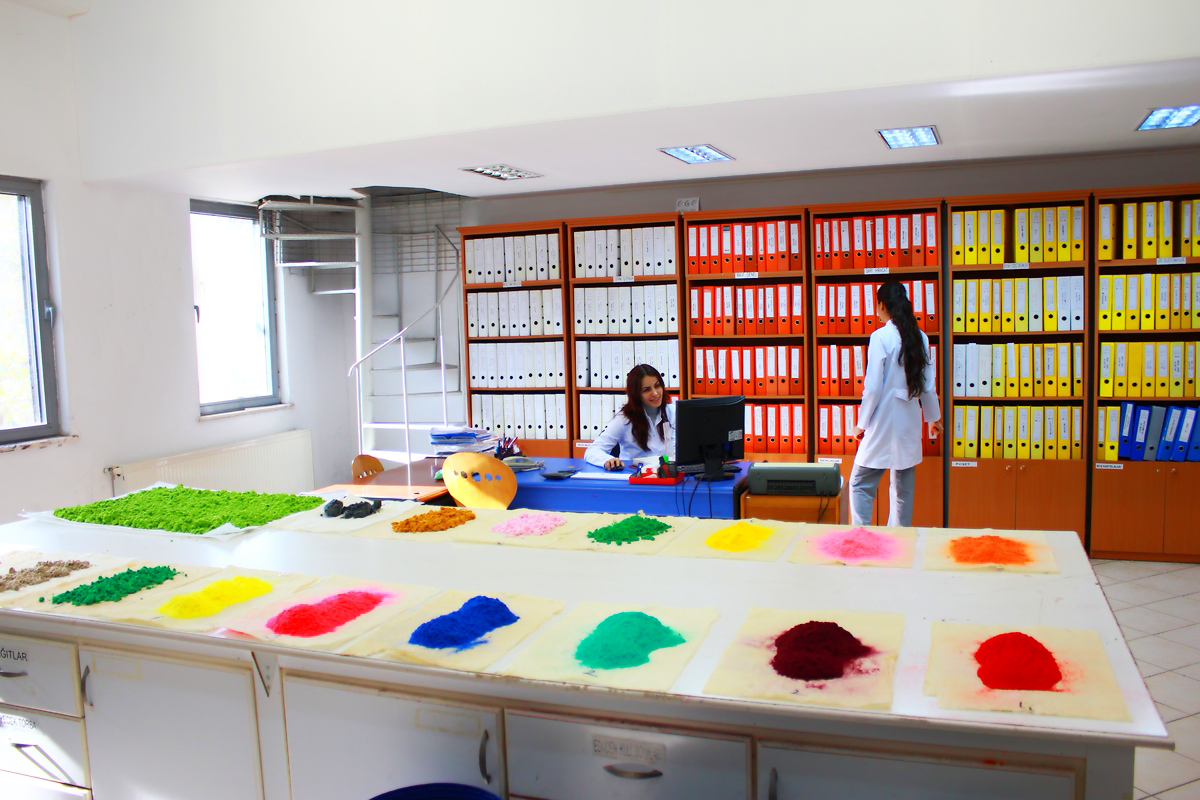
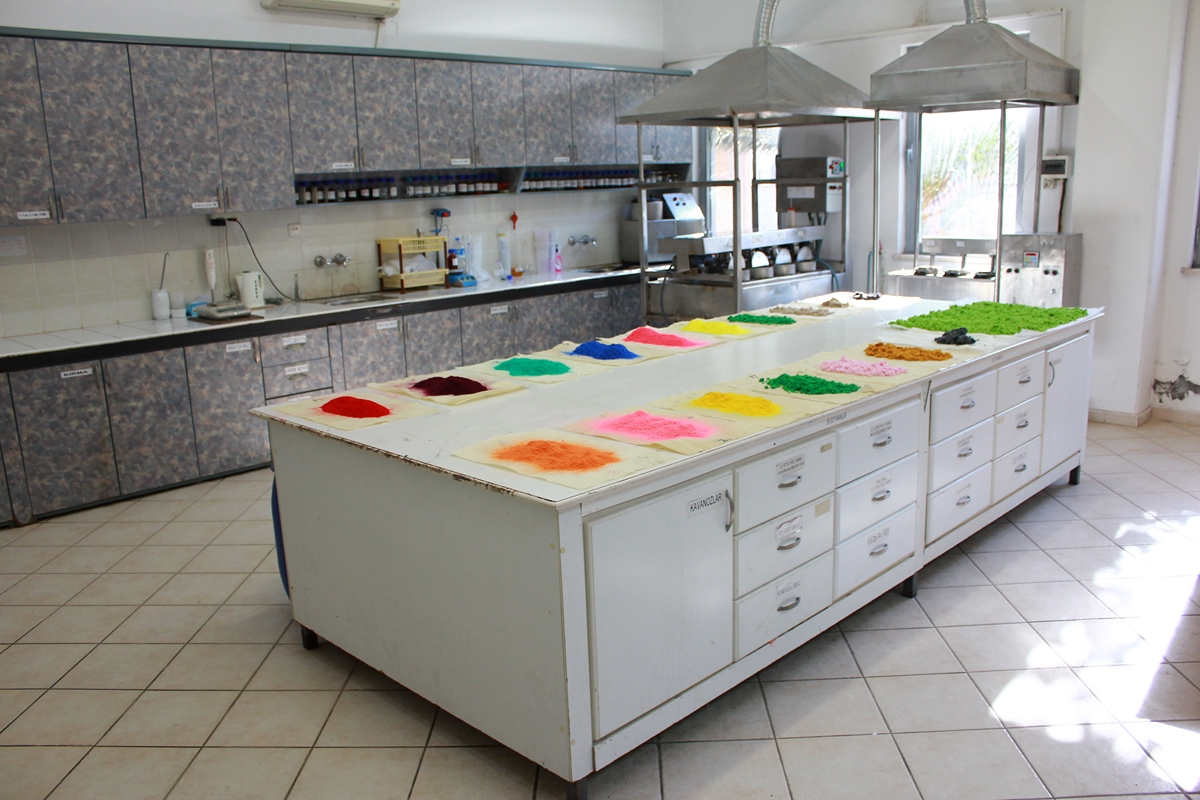
Oils that accumulate on the flock during the post-cutting process are cleaned. Then, they are dyed in various colors in dye vats and chemically prepared for electrical charging. Since all flocks are insulators, a certain amount of conductivity is required for the electrostatic flocking process to take place.
After processing, the flocks are subjected to spin drying and then oven drying to achieve the specified moisture content. Note that the flock fibers are never fully dried, as the specified moisture content increases conductivity. Finally, the flocks are packaged in moisture-proof bags to maintain their moisture balance.